


Why Roofs Fail Early Common Causes Homeowners Miss
 13min Read
 Posted 10.21.2025
Why Roofs Fail Early: Common Causes Homeowners Miss
Here’s a number that might keep you up at night: 73% of homeowners don’t inspect their roof until something’s already visibly wrong. By then? You’re not doing maintenance—you’re doing damage control. And in the Twin Cities, where our roofs battle everything from ice dams to summer storms, that “wait and see” approach can turn a minor fix into a five-figure problem.
Understanding why roofs fail early isn’t just about avoiding disaster—it’s about getting the full lifespan out of a major investment. A roof that should protect your family for 25 years shouldn’t be giving you grief at year 8. Let’s break down the common causes of premature roof failure that most homeowners miss, and more importantly, what you can actually do about them.
Why Early Roof Failure Hits Harder Than You’d Think
Your roof isn’t just shingles and nails—it’s the barrier between your family and everything Minnesota weather throws at you. According to the National Roofing Contractors Association (NRCA), a well-installed and properly maintained roof should last 20 to 30 years. That’s two to three decades of reliable protection. But when roofs fail early, the consequences go way beyond inconvenience.
The Insurance Institute for Business & Home Safety (IBHS) reports that roof-related water damage is one of the leading causes of home insurance claims. We’re talking about expenses that can dwarf what you’d spend on routine maintenance—damaged ceilings, ruined insulation, mold remediation, and in severe cases, structural repairs that require you to temporarily relocate your family.
The math is simple but often ignored: a $300 inspection that catches a small problem beats a $15,000 emergency repair every single time. Understanding what causes roof damage puts you in control of your home’s future instead of leaving it up to chance.
The Big Four: Primary Causes of Premature Roof Failure

Poor Roofing Installation: The Hidden Time Bomb
The Feature: Installation quality determines everything about how your roof performs. We’re talking about proper sealing around penetrations (vents, chimneys, skylights), adequate ventilation in the attic space, correct nailing patterns, and appropriate underlayment. These aren’t glamorous details—you can’t see them from the street—but they’re the foundation of a roof that actually lasts.
The Advantage: A properly installed roof creates a complete, integrated system where every component works together. Water can’t find gaps to exploit. Air flows correctly through the attic, preventing moisture buildup. Shingles stay put during high winds because they’re fastened according to manufacturer specifications—not rushed by a crew trying to finish before lunch.
The Benefit to You: You get the full 25-30 year lifespan you paid for. No mysterious leaks appearing three years after installation. No voided warranties because someone cut corners you couldn’t see. No 2 AM panic when a storm reveals problems that were built into your roof from day one. According to the NRCA, poor installation accounts for roughly 30% of premature roof failures—making it the single biggest factor in why roofs fail early.
Lack of Regular Maintenance: The Slow Killer
The Feature: Regular roof maintenance includes twice-yearly inspections (spring and fall), clearing debris from valleys and gutters, checking flashing around penetrations, and addressing minor issues before they spread. It’s the roof equivalent of changing your car’s oil—boring but essential.
The Advantage: Catching problems early means fixing them when they’re small and cheap. A cracked caulk seal around a vent pipe is a $50 repair. Left alone for two years, it becomes a rotted deck board, damaged insulation, and a stained ceiling—easily $2,000 or more. The NRCA suggests inspections at least twice a year, yet that IBHS study found 73% of homeowners skip this entirely until damage is already visible.
The Benefit to You: Proactive maintenance extends your roof’s life and keeps repair costs predictable and manageable. You’re never blindsided by a major failure because you’ve been monitoring the situation all along. Think of it as buying yourself peace of mind twice a year—and potentially saving thousands in the process.
Material Quality: The Price of Cutting Corners
The Feature: Roofing materials range dramatically in quality, durability, and price. Entry-level three-tab shingles, mid-grade architectural shingles, premium designer shingles, metal roofing, and specialty materials each offer different performance characteristics. Material quality affects everything from impact resistance to color retention to how long the roof actually lasts.
The Advantage: Higher-quality materials are engineered to handle more abuse for longer periods. According to the National Association of Realtors (NAR), premium asphalt shingles and metal roofing offer significantly better durability and weather resistance than budget alternatives. They maintain their appearance longer, resist algae growth better, and hold up under the freeze-thaw cycles that are part of every Minnesota winter.
The Benefit to You: You replace your roof less often over your lifetime. A roof that costs 20% more upfront but lasts 40% longer is a better deal—you just have to run the numbers past the initial sticker shock. Plus, better materials often come with better warranties, giving you additional protection if something does go wrong. The NRCA data shows material quality accounts for about 25% of premature failures.
Weather Damage: When Nature Doesn’t Play Fair
The Feature: Weather impacts include wind damage, hail strikes, heavy snow loads, ice dam formation, and UV degradation from summer sun. In Minnesota, we get all of these—sometimes in the same week. Each type of weather stress attacks different parts of your roofing system in different ways.
The Advantage: Choosing materials and installation methods designed for severe weather reduces damage from events you can’t control. Impact-resistant shingles, proper ice and water shield installation, and adequate attic insulation and ventilation all help your roof survive what Minnesota throws at it. The IBHS notes that homes in the Midwest experience some of the highest rates of weather-related roof damage in the country.
The Benefit to You: Your roof handles major storms without requiring emergency repairs. You’re not on the phone with contractors every spring trying to get on a waitlist along with half the neighborhood. Your insurance claims stay minimal, keeping your premiums manageable. Weather accounts for about 20% of early failures according to NRCA data—and smart preparation can significantly reduce your risk.
The Twin Cities Factor: Why Minnesota Roofs Face Extra Challenges
Living in the Twin Cities means your roof deals with conditions that would make contractors in milder climates nervous. Understanding these local challenges is essential for any homeowner who wants to avoid becoming a statistic.
The Freeze-Thaw Cycle: Death by a Thousand Expansions
Minnesota doesn’t just get cold—we get cold, then warm, then cold again, sometimes within the same week. Every time water gets into a small crack or gap and freezes, it expands. When it thaws, the gap is slightly bigger. Repeat this dozens of times per winter, and tiny vulnerabilities become significant damage. This cycle is particularly brutal on flashing, caulk seals, and any roofing material that’s already showing wear.
Ice Dams: The Minnesota Special
Ice dams form when heat escaping from your attic melts snow on the upper portion of your roof. That water runs down toward the eaves, where it’s colder, and refreezes. Over time, a ridge of ice builds up that traps water behind it. That trapped water has nowhere to go but under your shingles and into your home.
Ice dams aren’t just a roofing problem—they’re a symptom of inadequate attic insulation and ventilation. The roof itself might be fine, but if your attic is too warm, you’ll fight ice dams every winter until you address the root cause. Many homeowners treat the symptoms (hacking away at ice, installing heat cables) without ever fixing the actual problem.
Snow Load: The Weight of Winter
A foot of wet, heavy snow can put serious stress on your roof structure. Most roofs are designed to handle typical snow loads, but if you’re in an area that gets drifting, or if your roof design creates pockets where snow accumulates, you might be dealing with loads that exceed what your roof was built to carry. This is especially concerning for older homes or additions that may not have been engineered to modern standards.
Summer’s Not Off the Hook Either
Our summers bring their own challenges—severe thunderstorms, hail, and UV exposure that breaks down roofing materials over time. A roof that survived winter intact can take serious damage from a single summer storm. And that relentless summer sun? It’s slowly degrading the oils in your shingles, making them brittle and more susceptible to cracking when winter returns.
Your Action Plan: Preventing Premature Roof Failure
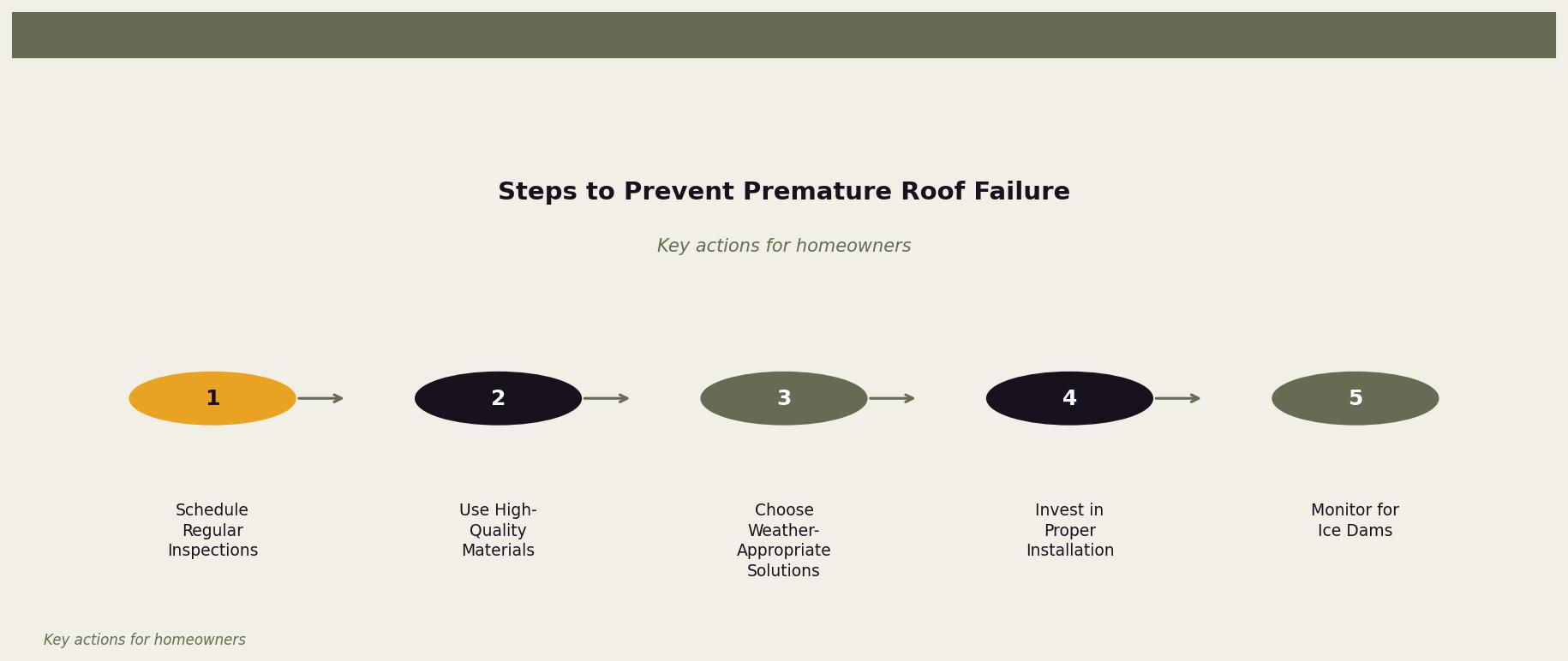
Knowing the problems is only half the battle. Here’s what you can actually do to protect your roof and extend its lifespan:
Step 1: Schedule Regular Professional Inspections
Twice a year—spring and fall—have a qualified professional look at your roof. Spring inspections catch winter damage before it has a chance to worsen during summer rains. Fall inspections ensure your roof is ready to handle another Minnesota winter. A good inspector will check more than just the shingles—they’ll examine flashing, gutters, attic ventilation, and signs of moisture intrusion.
Step 2: Don’t Ignore Small Problems
That slightly lifted shingle? The bit of flashing that looks a little off? The minor staining on your ceiling? Address these issues immediately. Small problems don’t stay small. A $200 repair today prevents a $2,000 repair next year. This is especially true in Minnesota, where the freeze-thaw cycle will exploit any weakness it finds.
Step 3: Choose Materials Suited to Our Climate
When it’s time for a new roof, don’t just shop on price. Ask about impact resistance ratings for hail. Discuss ice and water shield installation—in Minnesota, you want it extending well beyond code minimums. Consider how materials perform through freeze-thaw cycles. A contractor who understands Twin Cities weather will guide you toward appropriate choices.
Step 4: Address the Attic
Your roof’s longevity is directly connected to what’s happening in your attic. Proper insulation keeps heat where it belongs—in your living space, not melting snow on your roof. Adequate ventilation prevents moisture buildup that can rot decking from the inside out. If you’re fighting ice dams every winter, the solution probably isn’t on your roof—it’s in your attic.
Step 5: Invest in Quality Installation
The best materials in the world won’t help if they’re installed incorrectly. Choose a contractor based on their track record, not just their price. Ask about their installation process. Find out who will actually be on your roof—employees or subcontractors? Check references. A quality installation costs more upfront but delivers decades of reliable performance.
The Bottom Line on Preventing Early Roof Failure
Understanding why roofs fail early and taking proactive steps can mean the difference between a roof that protects your family for decades and one that becomes a recurring headache. The causes aren’t mysterious—poor installation, deferred maintenance, subpar materials, and weather damage account for the vast majority of premature failures.
The solutions aren’t mysterious either. Regular inspections, prompt repairs, climate-appropriate materials, and quality installation from contractors who know Minnesota weather—these are the fundamentals that extend roof life and protect your investment.
Your roof is too important to leave to chance. Take control of its future, and it will take care of yours.
Ready to Protect Your Roof?
If you're concerned about your roof's condition—or you just want to make sure it's ready for another Minnesota winter—we'd be happy to take a look. At Owl Roofing, we're a family-owned company right here in Shoreview, serving homeowners throughout the Twin Cities. Tim, Bea, Noah, and Anya have seen every type of roof damage these Minnesota seasons can dish out, and we'll give you a straight answer about what your roof actually needs. No pressure, no scare tactics—just honest information from neighbors who've been doing this work for over 15 years combined. Give us a call at 651-977-6027 or visit owlroofing.com/ to schedule an inspection. Protect Your Nest.
📍 Owl Roofing Serves the Entire Twin Cities Metro
Andover · Anoka · Apple Valley · Arden Hills · Big Lake · Blaine · Bloomington · Brooklyn Center · Brooklyn Park · Burnsville · Champlin · Chanhassen · Chaska · Columbia Heights · Coon Rapids · Cottage Grove · Crystal · deephaven · Delano · Eagan · East Bethel · Eden Prairie · Excelsior · Farmington · Forest Lake · Fridley · Golden Valley · Ham Lake · Hastings · Hopkins · Hugo · Inver Grove Heights · Lake Elmo · Lakeville · Lino Lakes · Mahtomedi · Maplewood · Mendota Heights · Minneapolis · Minnetrista · Mound · Mounds View · New Brighton · New Hope · North Oaks · North St. Paul · Oak Grove · Oakdale · Plymouth · Prior Lake · Ramsey · Richfield · Robbinsdale · Rosemount · Roseville · Saint Paul · Savage · Shakopee · Shoreview · South St. Paul · St. Louis Park · St. Michael · St. Paul · Stillwater · Vadnais Heights · Victoria · Waconia · wayzata · West St. Paul · White Bear Lake · woodbury
Licensed Minnesota roofing contractor · Free inspections · 10-year workmanship warranty · Get a free estimate →
