


How Your Roof Works: The Complete Homeowner’s Guide
 9min Read
 Posted 3.28.2026
Your roof is one of the most critical systems protecting your home, yet many homeowners have little understanding of how it actually works. It’s not just shingles nailed to wood—it’s a sophisticated multi-layer system designed to shed water, manage moisture, withstand weather, and provide insulation. Whether you’re planning a replacement, dealing with a leak, or simply want to understand your home better, knowing how your roof functions will help you make smarter decisions about maintenance and repairs. This guide breaks down every component and explains how they work together to keep your home safe and dry.
What is a roof made of?
A modern roof consists of multiple layers, each serving a specific purpose. From bottom to top, you’ll find the roof deck (typically plywood or OSB), underlayment (a protective barrier), insulation and ventilation, sheathing, flashing (metal trim at joints), and finally the roofing material—usually asphalt shingles, metal panels, or tiles. Each layer depends on the ones below it to function properly. The roofing material is what you see, but it’s really the weakest link in the system; the layers beneath do much of the heavy lifting in terms of moisture protection and durability. Think of it like a sandwich—you need all the layers working together for it to hold up under pressure.
How does a roof actually work to protect your home?
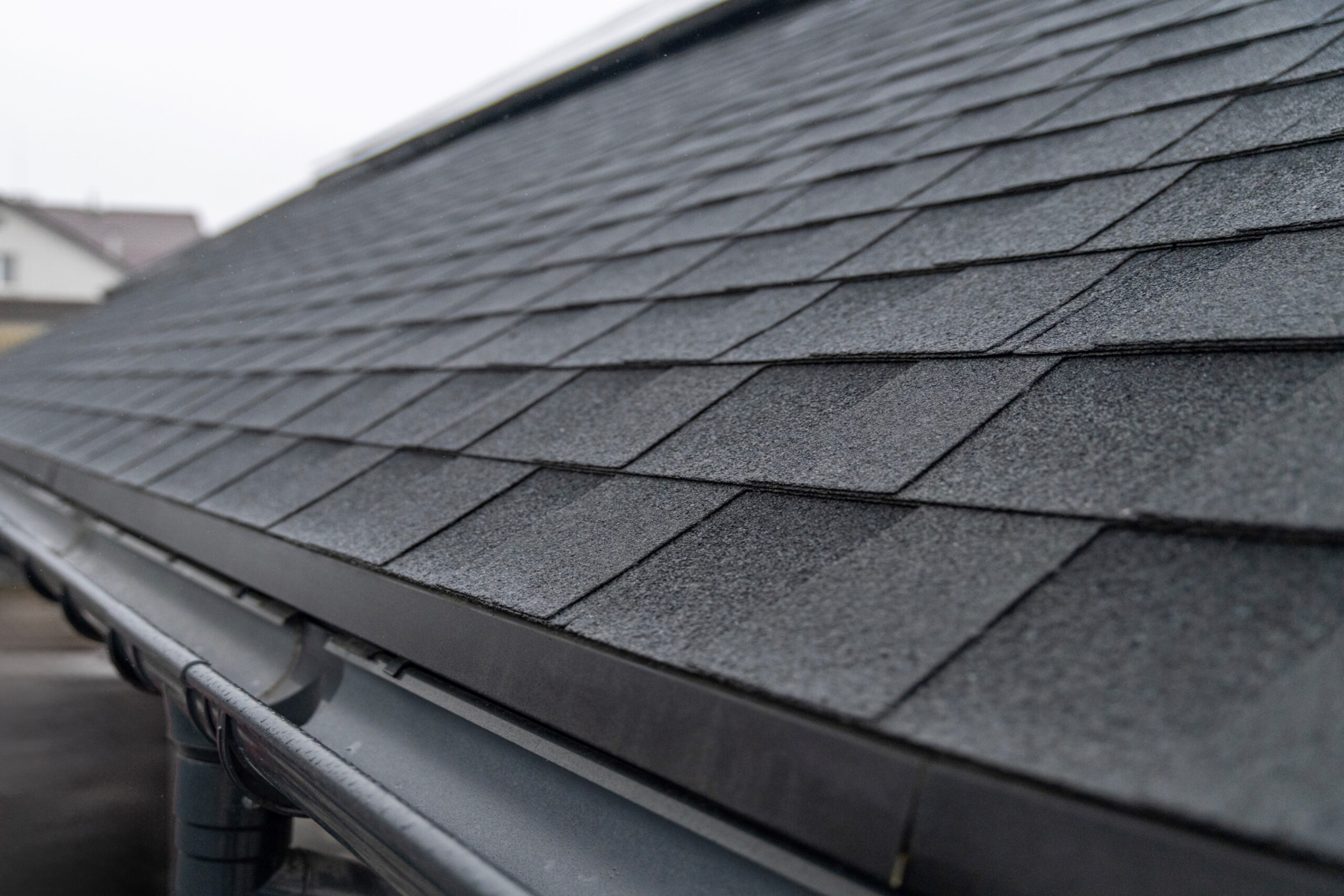
A roof’s primary job is to shed water off the surface and direct it safely away from your home before it can seep in. Water runs down the slope of the roof and into gutters, which channel it to downspouts. The underlayment underneath the shingles acts as a secondary barrier, catching any water that sneaks under the shingles and directing it outward. The roof deck and framing provide structural support and help distribute the weight of snow, wind, and ice. Proper ventilation prevents moisture and heat buildup that can rot the deck and shorten the life of your shingles. When any of these systems fail—a gap in flashing, a missing shingle, blocked gutters, or inadequate ventilation—water finds its way into your home. When Owl Roofing inspects a roof, they evaluate all of these components together — not just the visible shingles.
What are the main parts of a roof?
The main structural components include the roof deck (the wooden base), rafters and trusses (the frame), insulation, underlayment, sheathing, shingles or tiles, flashing, gutters, and ridge and soffit vents. Each plays a role: rafters hold up the structure, the deck supports the roofing material, underlayment provides backup water protection, shingles shed water, flashing prevents leaks at seams, and vents regulate moisture. Gutters and downspouts manage water runoff. Many homeowners focus only on the shingles, but an experienced contractor evaluates the entire system. Understanding these parts helps you communicate better with roofers and understand estimates.
What does roofing underlayment do and why does it matter?
Underlayment is a water-resistant or water-proof membrane laid directly on the roof deck, beneath the shingles. It catches any water that works its way past the shingles and either redirects it out of the roof assembly or holds it long enough for it to evaporate. In Minnesota’s freeze-thaw cycles, underlayment also protects against ice dams and prevents water that has seeped through from damaging the deck underneath. There are three main types—asphalt-saturated felt (older, less expensive), synthetic (newer, more durable), and self-adhering (the most protective but costliest). Owl Roofing, for instance, always uses synthetic underlayment on Minnesota homes to maximize protection against ice dams. Underlayment is typically hidden, so homeowners forget it exists, but it often determines how long your roof really lasts.
What is roof decking and when does it need to be replaced?
Roof decking is the structural base of your roof, usually made of plywood or oriented strand board (OSB) panels nailed to the rafters. It distributes the weight of snow, ice, shingles, and equipment across the entire roof structure. When decking gets wet for extended periods, it rots and loses structural integrity. This typically happens from persistent leaks, poor ventilation, or trapped moisture in attics. Signs of failing decking include soft spots when you step on the roof, visible sagging, or spots where the roof feels spongy—though you should never climb on a roof yourself to check. If decking is rotted, it must be replaced before new roofing is installed, which adds significant cost to the project. Proper ventilation and immediate leak repair are the best ways to extend decking life.
What is roof flashing and why is it the most common source of leaks?
Flashing is thin metal (usually aluminum or galvanized steel) installed at every joint, seam, and penetration on your roof—around chimneys, vents, skylights, dormers, and where the roof meets a wall. Its job is to seal these vulnerable spots where water would naturally collect and run. Flashing is the most common source of roof leaks because it’s exposed to constant movement from temperature changes, it’s often poorly installed, and it degrades faster than surrounding shingles. Common problems include gaps between flashing and the material it seals, corrosion of the metal itself, and improper step flashing on walls. Even a small gap of a quarter-inch can let substantial water in during heavy rain or ice melt. Proper flashing installation requires skill and attention to detail, which is why professional installation is critical. Owl Roofing replaces all flashing on every full replacement because reusing old flashing is one of the most common shortcuts that leads to callbacks.
What are architectural shingles and are they worth the extra cost?
Architectural shingles (also called laminated or dimensional shingles) have multiple layers that create depth and shadow, making them look more like real slate or wood shake than traditional flat 3-tab shingles. They’re thicker, heavier, and contain more asphalt than 3-tab shingles, which makes them more durable and resistant to wind, hail, and algae growth. Most architectural shingles carry 25-30 year warranties compared to 15-20 years for 3-tab. The higher upfront cost (typically 20-30% more) is often justified by the longer lifespan and better appearance. According to the NRCA, architectural shingles have become the standard choice for new construction and replacements in the residential market. They also tend to hold their appearance better over time, with less fading and granule loss. For most homeowners planning to stay in their home long-term, the investment pays off.
How do all these roof components work together as a system?
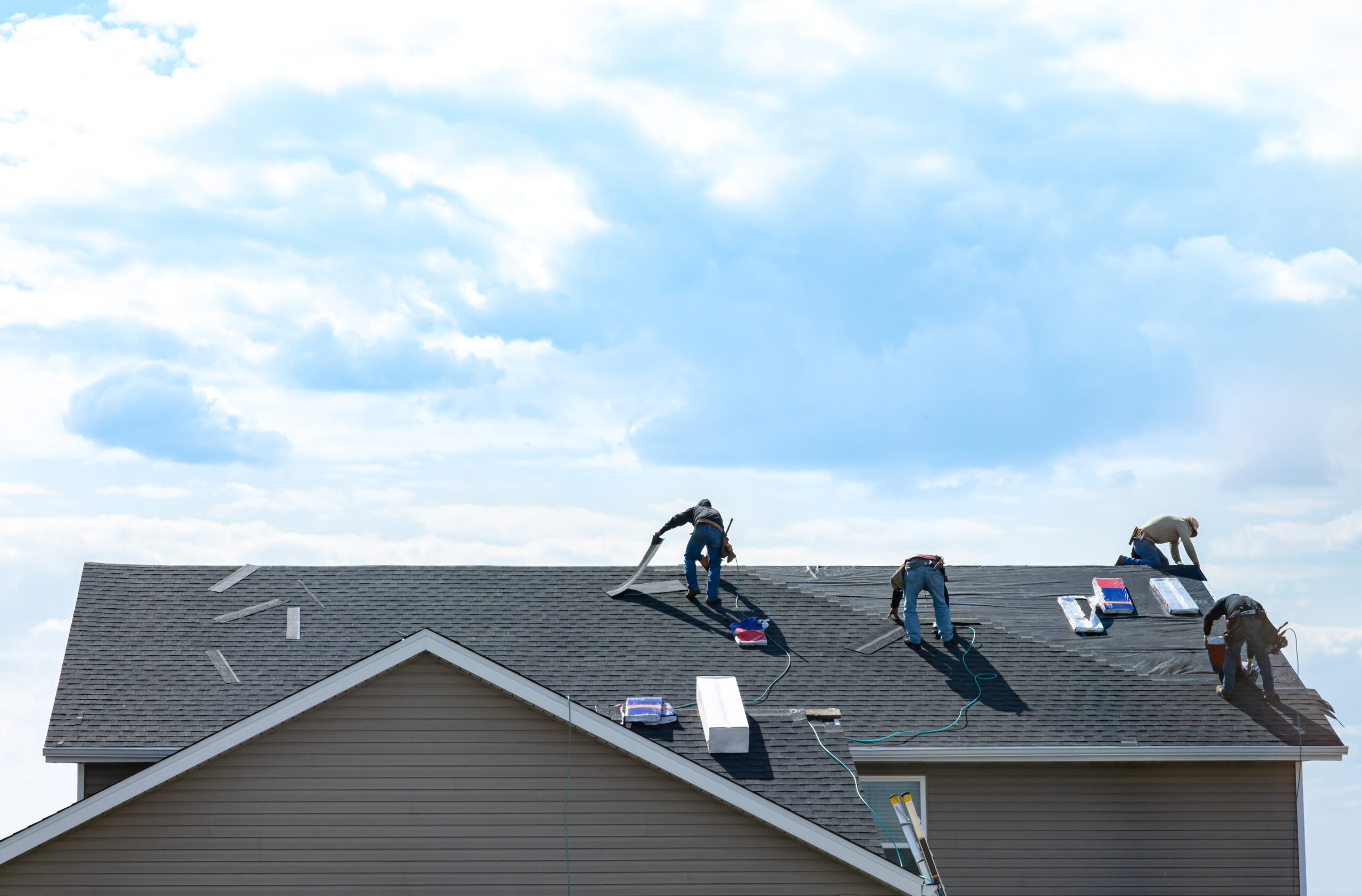
Your roof is an integrated system where each component depends on the others functioning properly. The deck provides the base, the underlayment protects against water intrusion, insulation and ventilation manage heat and moisture, flashing seals vulnerable seams, and shingles shed the initial water. Gutters and downspouts direct water away from your foundation, while soffit and ridge vents maintain proper airflow to prevent moisture and heat buildup. When one component fails—say, improper ventilation causes the deck to rot, or poor flashing allows water in—it creates a domino effect that can quickly damage the entire system. A professional roof inspection evaluates the whole system, not just the visible shingles. Regular maintenance, prompt leak repair, and gutter cleaning help keep all components functioning as intended.
Understanding how your roof works empowers you to make better decisions about maintenance, repairs, and replacements. A roof isn’t a single product but a system of interconnected components, each essential to protecting your home. When you’re ready to replace your roof or address a problem, this knowledge will help you understand what contractors are telling you and ensure you’re getting quality work that will last.
📍 Owl Roofing Serves the Entire Twin Cities Metro
Andover · Anoka · Apple Valley · Arden Hills · Big Lake · Blaine · Bloomington · Brooklyn Center · Brooklyn Park · Burnsville · Champlin · Chanhassen · Chaska · Columbia Heights · Coon Rapids · Cottage Grove · Crystal · deephaven · Delano · Eagan · East Bethel · Eden Prairie · Excelsior · Farmington · Forest Lake · Fridley · Golden Valley · Ham Lake · Hastings · Hopkins · Hugo · Inver Grove Heights · Lake Elmo · Lakeville · Lino Lakes · Mahtomedi · Maplewood · Mendota Heights · Minneapolis · Minnetrista · Mound · Mounds View · New Brighton · New Hope · North Oaks · North St. Paul · Oak Grove · Oakdale · Plymouth · Prior Lake · Ramsey · Richfield · Robbinsdale · Rosemount · Roseville · Saint Paul · Savage · Shakopee · Shoreview · South St. Paul · St. Louis Park · St. Michael · St. Paul · Stillwater · Vadnais Heights · Victoria · Waconia · wayzata · West St. Paul · White Bear Lake · woodbury
Licensed Minnesota roofing contractor · Free inspections · 10-year workmanship warranty · Get a free estimate →
