


What Type of Roofing Nails Are Used
 12min Read
 Posted 1.11.2026
The Tiny Detail That Can Make or Break Your Roof
Here’s something most Twin Cities homeowners never think about: the nails holding your shingles in place are doing battle with 54 inches of snow, ice dams, 60 mph wind gusts, and freeze-thaw cycles that would make a lesser fastener weep. And if your roofer used the wrong ones? You might not find out until shingles are scattered across your yard like leaves in October.
According to the National Roofing Contractors Association (NRCA), improper fastener use is one of the most common causes of roof failures. Not dramatic storm damage. Not old age. Just… the wrong nails. It’s a small detail that carries enormous weight—literally and figuratively. The good news? Once you understand what types of roofing nails exist and which ones actually work for Minnesota’s brutal climate, you’ll know exactly what to look for (and what questions to ask) when your roof needs attention.
Why Roofing Nails Deserve Your Attention
Let’s be honest—you’ve probably never given roofing nails a second thought. They’re tiny. They’re hidden. They seem about as exciting as watching paint dry. But here’s the reality: those unassuming little fasteners are the only thing standing between your shingles and a one-way trip into your neighbor’s backyard during the next big storm.
Think of roofing nails as the unsung heroes of your entire roofing system. Your shingles might be the face of the operation, but nails are doing the grunt work—gripping through layers of material, fighting thermal expansion and contraction, and refusing to let go when Minnesota throws its worst tantrums. When they fail, everything above them fails too. And that’s when a “small detail” turns into a very expensive problem.
The stakes are real: water infiltration, structural damage, mold growth, and the kind of repair bills that make you wish you’d just asked a few more questions upfront. Understanding the roofing nails type that belongs on your home isn’t about becoming a construction expert—it’s about protecting your biggest investment from preventable damage.
Types of Roofing Nails: A Breakdown
Smooth Shank Nails
Smooth shank nails are the most basic and economical option. They feature a straight, smooth shaft without any ridges or rings. You’ll typically find them made from galvanized steel or aluminum, and they’re commonly used for standard asphalt shingle installations in mild climates.
The pros? They’re affordable, widely available, and drive easily into roof decking. The cons? That smooth surface that makes them easy to install also makes them easier to pull out. In areas with high winds or significant temperature swings (hello, Minnesota), smooth shank nails can gradually work themselves loose as the wood around them expands and contracts.
Ring Shank Nails
Ring shank nails are the overachievers of the roofing nail world. They feature concentric ridges along the shaft that grip the wood fibers like tiny teeth, creating significantly more holding power than their smooth cousins.
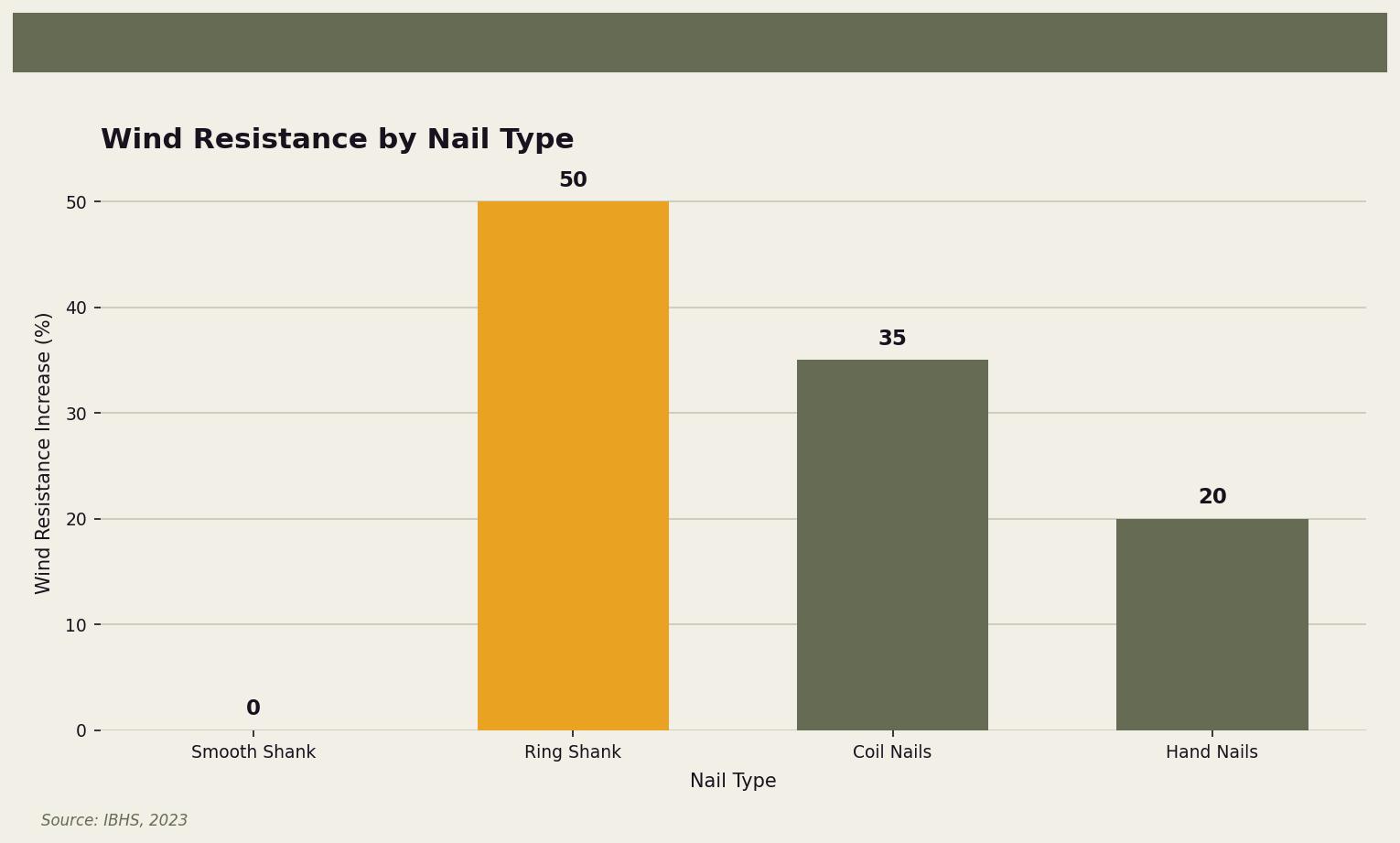
Here’s a stat worth remembering: the Insurance Institute for Business & Home Safety (IBHS) notes that using ring shank nails can increase wind resistance by up to 50% compared to smooth shank nails. That’s a massive difference when a summer storm rolls through the Twin Cities with 70 mph gusts.
Ring shank nails cost a bit more and require slightly more effort to drive, but for Minnesota roofs, that extra grip isn’t a luxury—it’s a necessity. Most reputable local roofers won’t even consider using anything else for primary shingle installation.
Coil Nails
Coil nails are designed for use with pneumatic nail guns. They come connected in long coils (hence the name) that feed automatically into the gun, allowing roofers to work much faster than hand-nailing would permit.
These nails are available in both smooth and ring shank varieties, so the coil designation really refers to the delivery method rather than the nail’s gripping characteristics. For large-scale roofing projects, coil nails dramatically reduce installation time and physical strain on the crew. According to IBHS data, coil nails (when ring shank) can provide about 35% better wind resistance than smooth shank alternatives.
Specialty Nails
Beyond the main categories, you’ll encounter a few specialty options:
- Copper nails: Premium, corrosion-resistant, and often used with slate or copper roofing materials
- Stainless steel nails: Maximum rust resistance for coastal or extremely wet environments
- Aluminum nails: Lightweight and rust-resistant, commonly paired with aluminum roofing
- Galvanized nails: Steel nails coated with zinc for rust protection—the standard for most residential applications
Coil Nails vs. Hand Nails: The Great Debate
When Speed Makes Sense
Coil nails used with pneumatic guns are the industry standard for full roof replacements and large installations. A skilled roofer with a nail gun can secure shingles far faster than hand-nailing, which translates to shorter project timelines and often lower labor costs.
The equipment investment is significant—quality pneumatic nailers aren’t cheap—but for professional crews tackling roof after roof, the efficiency gains are worth it. Coil nails also reduce the repetitive strain that hand-nailing inflicts on installers, which means fewer mistakes as the day wears on.
When Precision Matters More
Hand nailing isn’t obsolete, though. The NRCA recommends hand nailing for areas where precision is crucial: around edges, corners, valleys, flashing, and anywhere that requires careful placement to avoid cracking shingles or missing the mark.
Some high-end roofing materials actually require hand nailing per manufacturer specifications. And for small repair jobs, breaking out a pneumatic setup doesn’t make practical sense.
The best roofing crews use both methods strategically—nail guns for the straightforward field areas, hand nailing for the tricky spots that need a more careful touch.
What Minnesota Weather Demands From Your Nails
Living in the Twin Cities means your roof faces a climate that would humble roofs in more temperate regions. According to the U.S. Census Bureau, Minnesota experiences an average of 54 inches of snow annually. But it’s not just the snow—it’s the full gauntlet of weather extremes your fasteners have to survive.
The Freeze-Thaw Gauntlet
Minnesota’s freeze-thaw cycles are relentless. Water seeps into tiny gaps, freezes, expands, thaws, and repeats—sometimes multiple times in a single week during spring. This constant movement can gradually loosen smooth shank nails, creating the exact kind of gaps that lead to leaks.
Ring shank nails, with their superior grip, hold tight through this thermal abuse. Their ridged design prevents the “backing out” phenomenon that plagues smooth nails in fluctuating temperatures.
Heavy Snow Loads
When two feet of wet snow sits on your roof for weeks, those nails are under serious stress. They’re not just holding shingles in place—they’re helping transfer the weight of hundreds (or thousands) of pounds of snow down through the sheathing to your rafters. Weak or corroded nails can fail under this load, and when one goes, others often follow.
Summer Storms and Wind
Twin Cities summers bring their own challenges: severe thunderstorms with high winds, hail, and driving rain. The IBHS’s finding that ring shank nails provide 50% more wind resistance than smooth shank nails isn’t just a statistic—it’s the difference between your shingles staying put and ending up in the street.
Rust Is the Silent Killer
With all that moisture exposure—snow, ice dams, spring rains, summer humidity—rust is a constant threat. Galvanized nails (steel coated with zinc) are the minimum standard for Minnesota roofs. The galvanization creates a protective barrier that significantly extends the nail’s lifespan. Cheap, uncoated nails might save a few dollars upfront, but they’ll rust out years before the shingles above them wear out, leaving you with a failing roof that looks fine from the ground.
Your Action Plan: Getting This Right
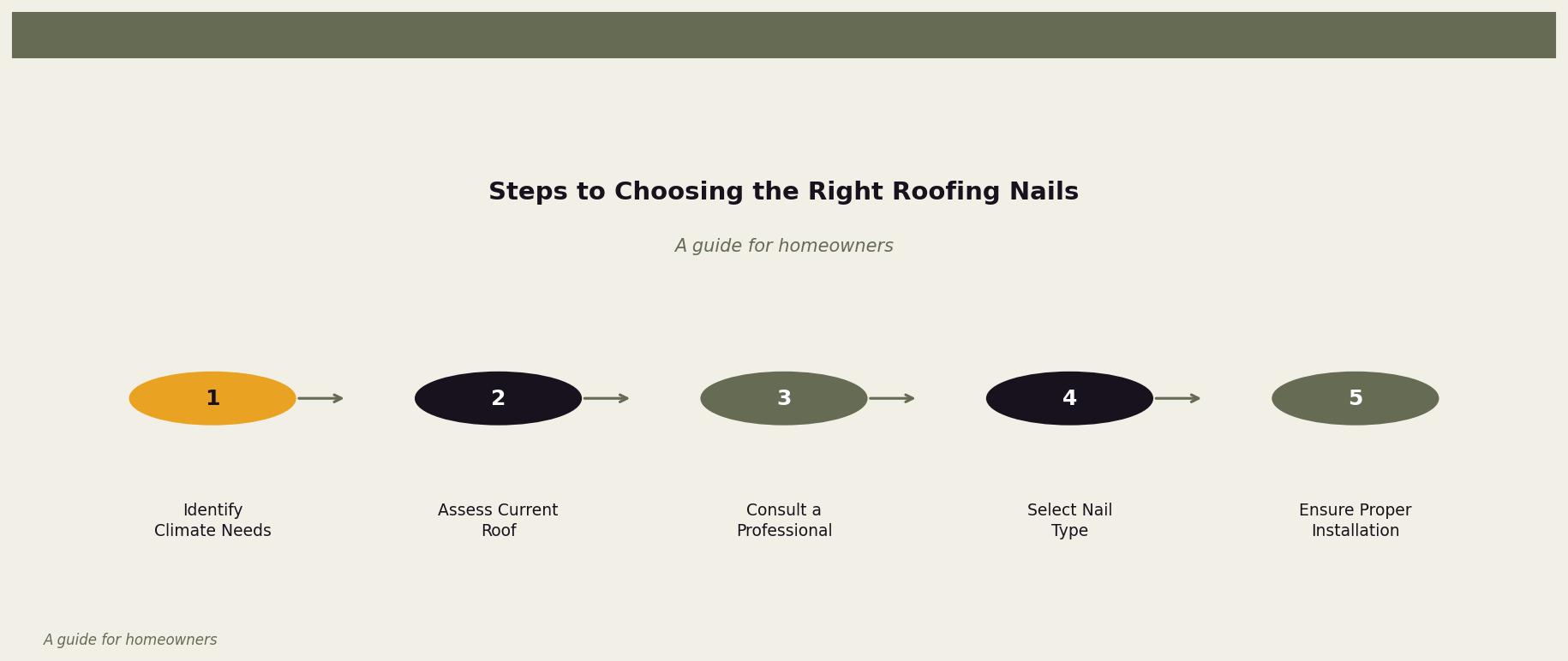
You don’t need to become a nail expert to protect your home. You just need to know enough to ask the right questions and recognize quality work. Here’s your game plan:
Step 1: Assess What’s Currently on Your Roof
If you’re comfortable with a ladder and heights, you can do a visual inspection of exposed nail heads (around vents, edges, and any lifted shingles). Look for rust, backing out, or missing fasteners. If climbing isn’t your thing, a professional inspection can reveal what’s happening up there.
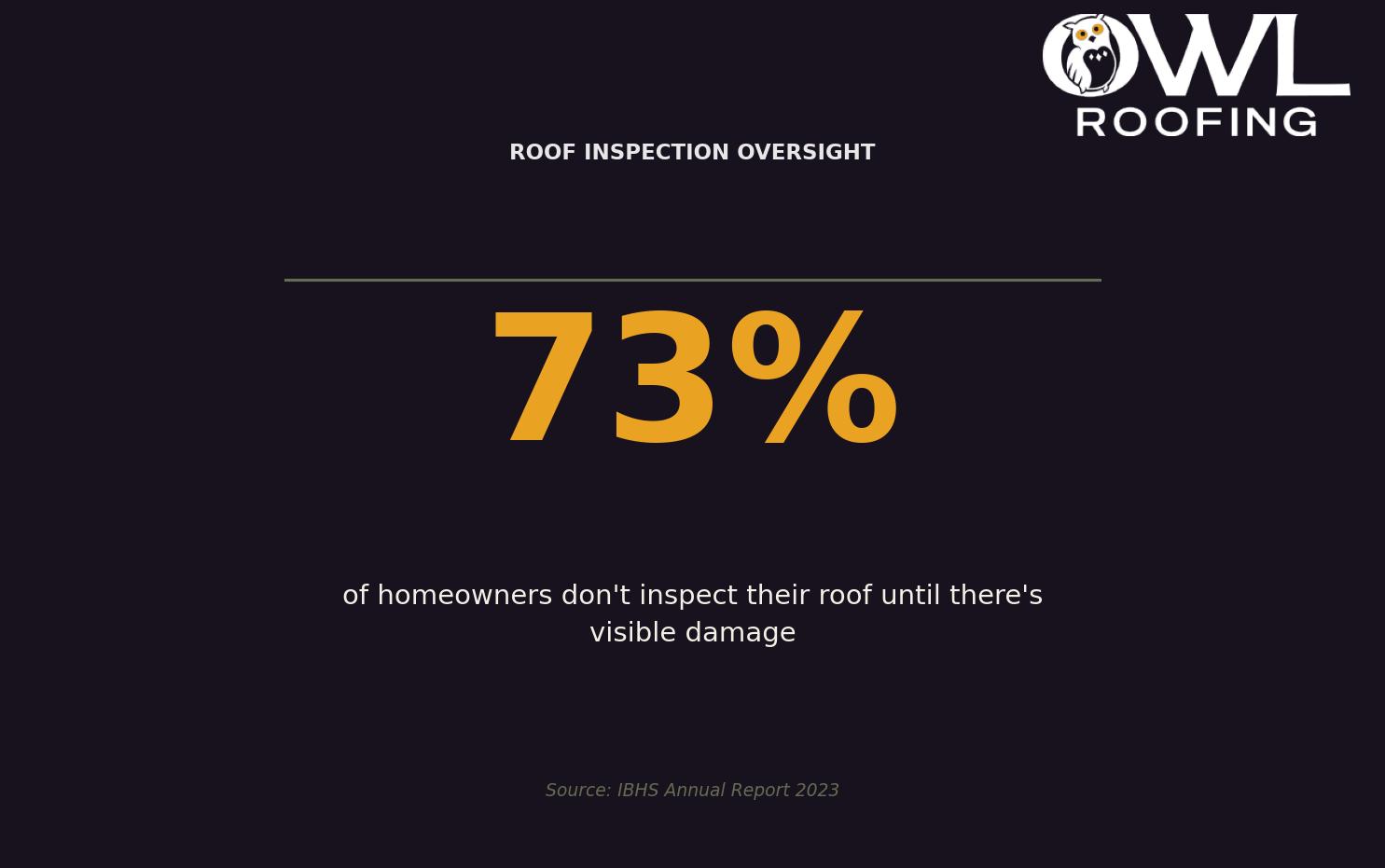
Here’s a sobering stat: 73% of homeowners don’t inspect their roof until there’s visible damage, according to the IBHS Annual Report 2023. By then, preventable problems have often become expensive repairs.
Step 2: Understand Your Climate Requirements
For Twin Cities homes, the right roofing nails type typically means:
- Ring shank design for maximum holding power
- Galvanized steel for rust resistance
- Proper length (typically 1¼” for standard asphalt shingles, longer if going through multiple layers)
- Enough nails per shingle (usually 4-6 depending on slope and local codes)
Step 3: Ask the Right Questions
When talking to roofing contractors, don’t be shy about asking specifics:
- “What type of nails do you use, and why?”
- “Are they ring shank or smooth shank?”
- “Are they galvanized?”
- “How many nails per shingle do you use?”
- “Do you hand-nail the edges and corners?”
A quality contractor will appreciate these questions—they signal you’re an informed homeowner who cares about the details. If a contractor seems annoyed or dismissive? That tells you something too.
Step 4: Verify the Work
Once your project is complete, request a walkthrough or detailed photos showing the installation. Nail placement should be consistent, with fasteners driven flush (not overdriven or underdriven) in the correct zones on each shingle.
The Real Cost of Cutting Corners
Here’s what happens when roofing nails fail:
- Shingle loss: Individual shingles or entire sections blow off, exposing your underlayment and decking to the elements
- Water infiltration: Backed-out nails create pathways for water to seep beneath shingles, leading to leaks you might not notice until damage is extensive
- Premature roof failure: A roof installed with improper fasteners can fail years before its materials would otherwise give out
- Voided warranties: Many shingle manufacturers require specific fastener types and installation methods—using the wrong nails can void your warranty entirely
The price difference between cheap nails and the right nails is negligible in the context of a full roofing project—maybe a few dollars per square. But the consequences of choosing wrong can run into thousands of dollars in repairs.
Ready to Protect Your Nest?
If you’re in Shoreview or anywhere in the Twin Cities and you’re wondering what’s actually holding your shingles in place—or if you’ve got a roofing project on the horizon—we’d love to help. At Owl Roofing, we’ve seen what Minnesota weather does to roofs (and to the wrong fasteners). We use ring shank galvanized nails because that’s what actually works here, and we’re always happy to explain exactly what we’re doing and why.
We’re not a franchise, and we’re definitely not storm chasers passing through. We’re your neighbors—Tim, Bea, Noah, and Anya—with over 15 years of combined experience keeping Twin Cities roofs solid through every season. Give us a call at 651-977-6027 or visit owlroofing.com/ to schedule a conversation. No pressure, no sales pitch—just honest answers about your roof.
Protect Your Nest.
📍 Owl Roofing Serves the Entire Twin Cities Metro
Andover · Anoka · Apple Valley · Arden Hills · Big Lake · Blaine · Bloomington · Brooklyn Center · Brooklyn Park · Burnsville · Champlin · Chanhassen · Chaska · Columbia Heights · Coon Rapids · Cottage Grove · Crystal · deephaven · Delano · Eagan · East Bethel · Eden Prairie · Excelsior · Farmington · Forest Lake · Fridley · Golden Valley · Ham Lake · Hastings · Hopkins · Hugo · Inver Grove Heights · Lake Elmo · Lakeville · Lino Lakes · Mahtomedi · Maplewood · Mendota Heights · Minneapolis · Minnetrista · Mound · Mounds View · New Brighton · New Hope · North Oaks · North St. Paul · Oak Grove · Oakdale · Plymouth · Prior Lake · Ramsey · Richfield · Robbinsdale · Rosemount · Roseville · Saint Paul · Savage · Shakopee · Shoreview · South St. Paul · St. Louis Park · St. Michael · St. Paul · Stillwater · Vadnais Heights · Victoria · Waconia · wayzata · West St. Paul · White Bear Lake · woodbury
Licensed Minnesota roofing contractor · Free inspections · 10-year workmanship warranty · Get a free estimate →
