Sustainable Roofing: a Clear, MN-friendly Guide for Homeowners
 10min Read
 Posted 12.20.2025
Most people search “sustainable roofing” because they want something better than a basic asphalt roof. They want a roof that lasts longer, wastes less material, performs well in Minnesota’s brutal weather, and doesn’t drive energy bills through the ceiling. They want clarity, not complicated eco-jargon.
This guide walks through the best options, real costs, and what actually makes a roof sustainable in our climate.
What “Sustainable Roofing” Means in Real Life
A sustainable roof is one that:
- Holds up longer than standard materials
- Uses fewer resources over its lifespan
- Reduces energy loss
- Stays durable through Minnesota seasons
- Is recyclable or made with low-impact materials
- Saves you money long-term
It’s not about trends or buzzwords.
It’s about choosing a roof that protects your home, wallet, and the planet at the same time.
The Top Sustainable Roofing Options for Minnesota Homes
These materials genuinely perform well in our freeze-thaw climate while reducing waste and improving efficiency.
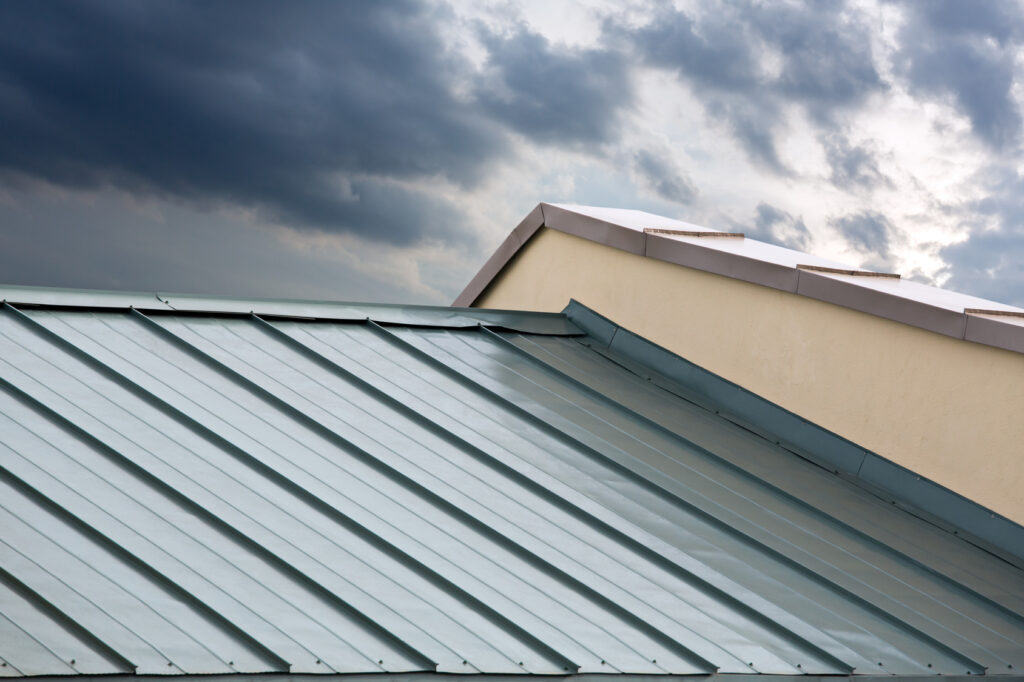
Metal Roofing (Steel or Aluminum)
One of the most sustainable roofing choices available.
Why it’s sustainable:
- Lasts 40–70 years
- Fully recyclable
- Reflects heat, helps lower energy bills
- Handles hail, snow, and ice exceptionally well
- Requires almost no maintenance
What to know:
- Higher upfront cost
- Needs the right underlayment to reduce interior noise
Metal is one of the best long-term choices for Minnesota homes.
Upgraded Asphalt Roofing (Longer-Lifespan Shingles)
Not all asphalt is the same. Modern, higher-grade shingles are far more sustainable than older versions.
Why it’s sustainable:
- Lasts longer (cuts landfill waste)
- Often made with recycled components
- Many shingle lines are now fully recyclable
- Cost-effective compared to metal or composite
What to know:
- Lifespan still depends heavily on ventilation
- Lower cost, but not as long-lasting as metal
Composite or Synthetic Roofing
These mimic slate or shake, but with lighter, longer-lasting materials.
Why it’s sustainable:
- Often made from recycled plastics or rubber
- Very long lifespan
- Resistant to hail
- Lightweight and energy-efficient
What to know:
- Not all brands are equal
- Costs vary more than any other material
Great for homeowners who want high-end looks with low lifetime impact.
Cedar Shake (Responsibly Sourced)
A natural, biodegradable option with a classic look.
Why it’s sustainable:
- Comes from renewable forests
- Naturally insulating
- Biodegradable at end-of-life
What to know:
- More maintenance
- Does not last as long as metal or composite
- Performance depends heavily on roof ventilation
Only consider cedar from certified sustainable mills.
Solar Roofing (Panels or Solar Shingle Systems)
A strong option when sustainability = energy independence.
Why it’s sustainable:
- Reduces ongoing energy use
- Lower carbon footprint
- Works well when paired with metal or composite
What to know:
- Higher upfront cost
- Needs proper attic ventilation
- Works best on roofs with good sun exposure
Not a roof replacement by itself, but a major sustainability upgrade.

What Makes a Roof Truly Sustainable in Minnesota
Minnesota has unique environmental demands. A roof is only sustainable if it can perform through:
- Repeated freeze-thaw cycles
- Hail storms
- Heavy snow loads
- Ice dam pressure
- Extreme heat followed by sudden cold
Sustainability here is about resilience. A roof that lasts twice as long creates half the waste.
Sustainable Roofing Cost Guide (Minnesota Estimates)
Homeowners search for cost more than anything else. Here are real-world price ranges seen across the Twin Cities:
Metal Roofing: $18,000–$45,000
Composite Roofing: $22,000–$55,000
High-end Asphalt: $12,000–$28,000
Cedar Shake: $18,000–$35,000
Solar Panels: $12,000–$22,000 after credits
Solar Shingles: $25,000–$60,000+
Price depends on home size, pitch, tear-off requirements, insulation upgrades, and material type.
Installation Matters More Than Material
Most blogs skip this, but it’s the truth:
A roof is only as sustainable as its installation quality.
To maximize lifespan and energy efficiency, you need:
- Correct attic ventilation
- Proper underlayment
- Sealed flashing
- High-quality fasteners
- Ice and water protection
- Smart snow/ice management design
A sustainable material installed poorly becomes a wasteful one.
The Most Important Sustainability Factors (More Important Than Brand)
Ventilation
Poor ventilation cooks shingles and creates moisture problems.
Good ventilation extends roof life dramatically.
Underlayment
High-quality underlayment protects your roof deck and reduces future repairs.
Color
Light colors reflect more heat. Dark colors absorb more.
Choose based on your home’s orientation, not trends.
Longevity
A roof that lasts 50 years is greener than two roofs that last 25.
How to Choose the Right Sustainable Roof (A Simple Guide)
If your priority is longest lifespan:
Pick metal or composite.
If your priority is best mix of cost + sustainability:
Pick upgraded asphalt with proper ventilation.
If your priority is natural materials:
Pick cedar from certified suppliers.
If your priority is energy efficiency:
Choose metal paired with solar.
If your priority is fastest long-term ROI:
Choose solar panels with a durable base roof.
How Long Sustainable Roofing Materials Actually Last
Longevity is the backbone of sustainability. The longer the roof lasts, the fewer materials hit landfills, and the fewer resources you burn on repairs.
Here are true Minnesota lifespan expectations:
Metal Roofing: 40–70 years
Composite Roofing: 35–50 years
Fiber-reinforced asphalt: 25–35 years
Standard architectural asphalt: 18–25 years
Cedar shake: 20–30 years with good ventilation
Solar panels: 25–30 years of efficient production
Solar shingles: 20–30 years depending on brand and exposure
The most sustainable roof is the one you don’t have to replace for a long time.
How Sustainable Roofing Helps Energy Efficiency
Many homeowners want “sustainable roofing” because they’re tired of high heating and cooling bills. The right roof helps stabilize the whole home.
Here’s what makes a real difference:
Reflectivity
Metal roofs bounce summer heat away. Light-colored shingles help too.
Ventilation
Balanced intake and exhaust keep the attic cool in summer and dry in winter.
Insulation
A new roof is the perfect time to evaluate rigid foam, blown-in options, or sealing air gaps.
Ice Dam Prevention
Better airflow + proper underlayment reduces ice dams, which saves energy and prevents moisture waste.
Solar Integration
Solar power directly offsets your energy usage, and Minnesota offers strong incentives.
Common Myths About Sustainable Roofing
“Metal roofs are loud when it rains.”
Not with proper underlayment. Modern metal roofing is often quieter than asphalt.
“Cedar shake is always eco-friendly.”
Only if it’s sourced from certified sustainable forests.
“Asphalt can’t be sustainable.”
Today’s longer-lasting shingles and recycling programs make upgraded asphalt far more eco-conscious than older products.
“Solar only works in sunny states.”
Minnesota actually ranks high for solar ROI because mild temperatures keep panels efficient.
The Hidden Sustainability Traps to Avoid
Some materials look “green” on paper but fail in real life when used in Minnesota’s climate.
Short Lifespans
A roof that fails early generates more waste.
Poor Ventilation
Even eco-friendly materials deteriorate fast without airflow.
Incompatible Materials
For example: cedar on homes with poor attic ventilation is not sustainable; it shortens lifespan.
Cheap Underlayment
A weak moisture barrier leads to deck rot, mold, and premature replacement.
Ignoring Snow Load
Some roofing materials handle heavy snow better than others. Sustainability includes strength.
A sustainable roof isn’t just about what’s on top.
It’s the whole system working together.
How to Compare Sustainable Roofing Options Without Getting Overwhelmed
Here’s the simplest comparison framework available:
Cost
Does the material fit your budget today?
Lifespan
Will you have to replace it again while still living in the home?
Environmental Impact
Is it recyclable? Renewable? Low maintenance?
Weather Performance
How does it handle hail, snow, wind, and freeze-thaw?
Energy Impact
Does it reduce heat loss? Reflect sunlight? Pair well with solar?
Maintenance
How often does it need care, treatments, or manufacturer service?
Resale Value
Does it make the home more appealing or more unique?
Use this checklist, and the right answer becomes clear quickly.
Real Minnesota Scenarios (So Homeowners Can Picture the Impact)
Scenario 1: The Long-Term Homeowner
They plan to stay 15+ years.
Best choice: metal or composite.
Reason: unbeatable lifespan and energy efficiency.
Scenario 2: The Growing Family
Budget matters but they want durability.
Best choice: high-end asphalt with great ventilation.
Reason: strong lifespan, cost-conscious, sustainable system.
Scenario 3: The Design Lover
They want curb appeal without constant upkeep.
Best choice: composite or steel.
Reason: high durability + consistent appearance.
Scenario 4: The Energy-Saver
They want solar.
Best choice: metal or upgraded asphalt with solar-ready spacing.
Reason: best combination of efficiency and mounting compatibility.
FAQs About Sustainable Roofing
Is metal roofing recyclable?
Yes. Most metal roofs are 100 percent recyclable at end of life.
Which roofing material is most sustainable overall?
Metal or composite, depending on your goals. Both offer long lifespan and low waste.
Is sustainable roofing more expensive?
Upfront, often yes. Over 20–40 years, sustainable roofs usually cost far less because they last longer.
Does sustainable roofing help with ice dams?
Indirectly. Better ventilation, high-quality underlayment, and better thermal stability help reduce ice dam formation.
Can solar be added later?
Yes, but your installer should prep the roof for future solar now.
Does sustainable roofing improve resale value?
In most neighborhoods, yes. Long-lifespan materials are attractive to buyers.

How Owl Roofing Supports Sustainable Roofing Choices
Homeowners don’t need a lecture about carbon footprints. They want someone to explain real options in plain English, show how each material performs in Minnesota weather, and help them choose a roof that protects their nest with longevity, efficiency, and confidence.
Owl Roofing helps homeowners:
Understand which sustainable roofs perform best in the Twin Cities
Compare materials with real cost and lifespan clarity
Evaluate attic ventilation for long-term performance
Explore solar pairing options
Choose materials that protect their home and reduce long-term waste
Make decisions rooted in honesty, durability, and comfortSustainable roofing is not a trend.
It’s a commitment to building something strong, lasting, and responsible.
📍 Owl Roofing Serves the Entire Twin Cities Metro
Andover · Anoka · Apple Valley · Arden Hills · Big Lake · Blaine · Bloomington · Brooklyn Center · Brooklyn Park · Burnsville · Champlin · Chanhassen · Chaska · Columbia Heights · Coon Rapids · Cottage Grove · Crystal · deephaven · Delano · Eagan · East Bethel · Eden Prairie · Excelsior · Farmington · Forest Lake · Fridley · Golden Valley · Ham Lake · Hastings · Hopkins · Hugo · Inver Grove Heights · Lake Elmo · Lakeville · Lino Lakes · Mahtomedi · Maplewood · Mendota Heights · Minneapolis · Minnetrista · Mound · Mounds View · New Brighton · New Hope · North Oaks · North St. Paul · Oak Grove · Oakdale · Plymouth · Prior Lake · Ramsey · Richfield · Robbinsdale · Rosemount · Roseville · Saint Paul · Savage · Shakopee · Shoreview · South St. Paul · St. Louis Park · St. Michael · St. Paul · Stillwater · Vadnais Heights · Victoria · Waconia · wayzata · West St. Paul · White Bear Lake · woodbury
Licensed Minnesota roofing contractor · Free inspections · 10-year workmanship warranty · Get a free estimate →

Recent Articles
Explore The Blog