


The Ultimate Roofing Materials Guide: Every Option Compared
 8min Read
 Posted 3.28.2026
Choosing a roofing material is one of the biggest decisions you’ll make as a homeowner, affecting not just the appearance of your home but its durability, energy efficiency, and long-term maintenance costs. The market offers far more options than the asphalt shingles most homes have, from metal and synthetic materials to traditional tiles and slate. Each material has distinct advantages and drawbacks depending on your climate, budget, aesthetic preferences, and how long you plan to stay in your home. This comprehensive guide compares every major roofing material so you can make an informed choice that’s right for your situation.
What are asphalt shingles made of?
Asphalt shingles are composed of a fiberglass mat base (or, in older shingles, felt) coated with asphalt and topped with ceramic granules. The asphalt waterproofs the shingle and bonds the granules, which protect against UV rays and provide color and texture. The fiberglass mat provides structural support and tensile strength. Modern asphalt shingles may also contain polymers and modifiers to improve flexibility and durability in extreme temperatures. The granules are what you see on top and are responsible for the shingle’s appearance and longevity—as they wear away over years, the shingle becomes more vulnerable to UV damage and weather. Asphalt shingles are relatively inexpensive to manufacture, easy to install, and have a good lifespan for the cost, which explains why they’re the most common roofing material in North America.
Should I choose 3-tab or architectural shingles?
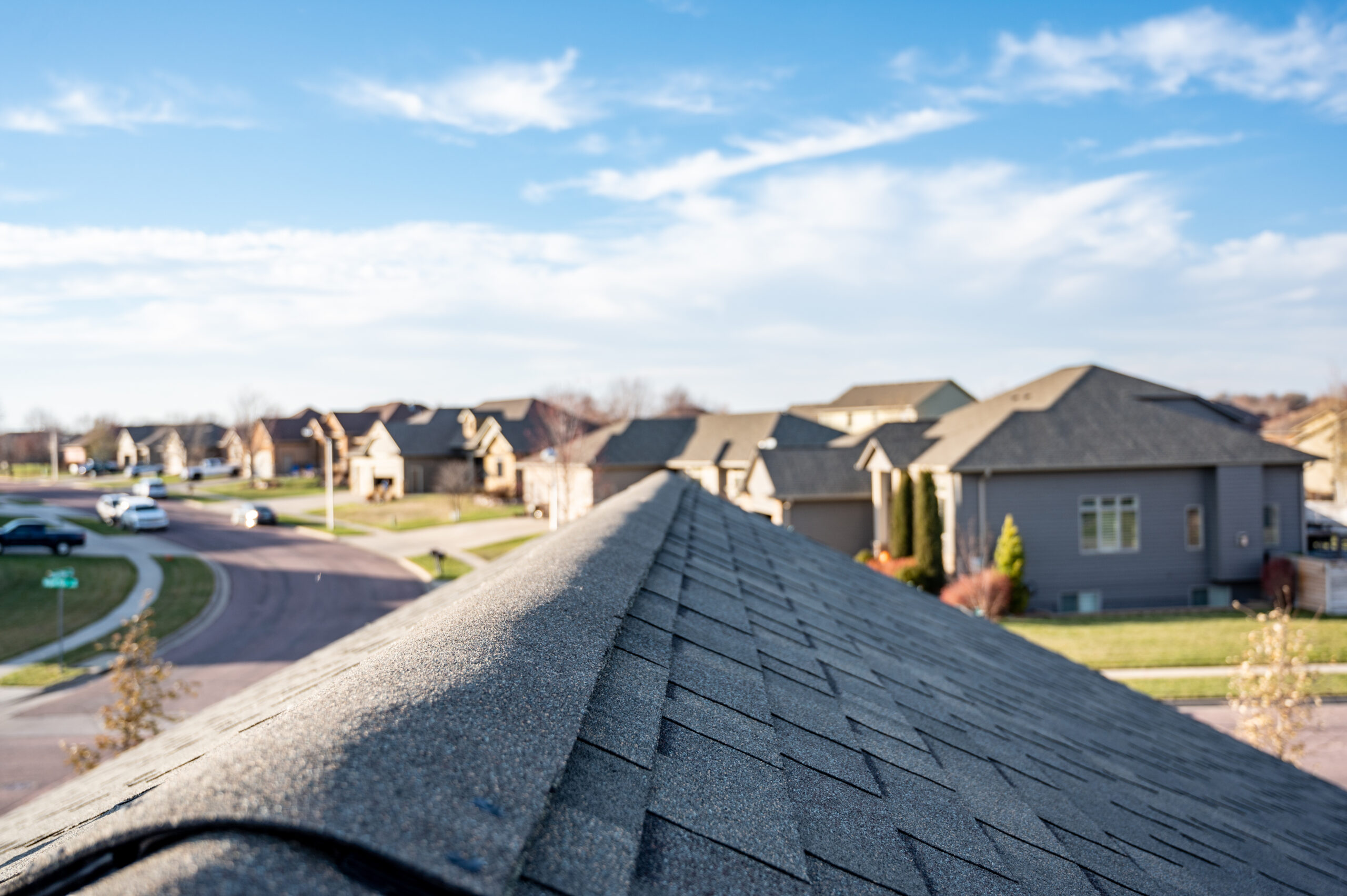
3-tab shingles are the budget option, costing 20-30% less than architectural shingles, and are adequate for homes where you don’t plan to stay long or aren’t concerned with long-term durability. However, architectural shingles last 5-10 years longer, resist wind and hail better, look more attractive, and often qualify for better insurance rates. For a Minnesota home where you plan to stay 10+ years, architectural shingles almost always provide better value over time. The warranty difference is substantial—most 3-tab shingles carry 15-20 year warranties, while architectural shingles typically come with 25-30 year warranties. The upfront cost difference is often only a few hundred dollars across an entire roof, but the durability difference can mean 10+ extra years of protection. When Owl Roofing installs a new roof in Minnesota, architectural shingles are the standard recommendation for virtually all homeowners planning to stay more than a few years.
What roofing material lasts the longest?
Natural slate and clay tiles can last 50-100+ years, making them the longest-lasting roofing materials available. Concrete tiles typically last 40-50 years. Metal roofs (standing seam and metal shingles) last 40-70 years with proper maintenance. Wood shakes, when maintained, can last 30-40 years. High-quality synthetic roofing materials can last 30-50 years depending on the product. Premium architectural asphalt shingles last 25-30 years, while basic 3-tab shingles last 15-20 years. Cost per year of service is often more important than raw lifespan—a $3,000 asphalt roof lasting 25 years costs $120 per year, while a $20,000 slate roof lasting 75 years costs $267 per year.
What’s the best roofing material for cold climates like Minnesota?
For Minnesota, asphalt shingles designed for cold climates are the practical standard because they remain flexible in subzero temperatures, provide excellent traction for ice and snow, and shed ice melt effectively. Metal roofs are also excellent for cold climates because they shed snow well, don’t hold ice, and their expansion and contraction are predictable in freeze-thaw cycles. Proper ventilation and underlayment are critical in Minnesota to manage ice dams, which is why professional installation and quality materials go hand-in-hand. Owl Roofing recommends cold-climate rated shingles and synthetic underlayment specifically because Minnesota’s freeze-thaw cycles are notoriously hard on roofs.
How does metal roofing compare to asphalt shingles?
Metal roofs cost 2-3 times more upfront than asphalt shingles but last two to three times longer, have superior wind and hail resistance, require less maintenance, and offer better energy efficiency. Asphalt shingles are cheaper, easier to install, can be repaired with individual shingle replacement, and are familiar to most homeowners. Metal roofs don’t hold ice as readily and shed snow better, which is advantageous in Minnesota. The choice depends on your long-term plans—if you’ll stay in the home 20+ years, metal’s longevity and performance become more valuable.
Are metal roofs worth the higher upfront cost?
Metal roofs can be worth the investment if you plan to stay in your home long-term, live in an area prone to severe weather, or prioritize energy efficiency. The higher upfront cost (typically $8,000-$15,000 more than asphalt for an average home) is offset by a lifespan of 40-70 years versus 20-25 years for asphalt. Some insurance companies offer discounts of 10-20% on metal roofs due to superior hail and wind resistance. According to the Metal Roofing Alliance, homes with metal roofs command a premium resale value in many markets. Installation quality matters greatly—a poorly installed metal roof can develop leaks at fasteners and seams, while a quality installation lasts decades trouble-free.
What is synthetic roofing and when should you use it?
Synthetic roofing materials are engineered products that mimic the appearance of natural materials like slate, wood shake, or cedar shake but are made from rubber, plastic, or asphalt composites. They’re lighter than natural tiles, more impact-resistant, and more consistent in quality than natural products. Synthetic shingles typically cost 20-40% more than standard asphalt but significantly less than natural slate or tiles. They offer a lifespan of 30-50 years depending on the product. They’re an excellent middle-ground option between budget asphalt and premium natural materials. Owl Roofing carries both premium asphalt and synthetic shingle options for homeowners who want a longer-lasting alternative without the cost of natural slate.
What are the most common roofing materials used in the US?
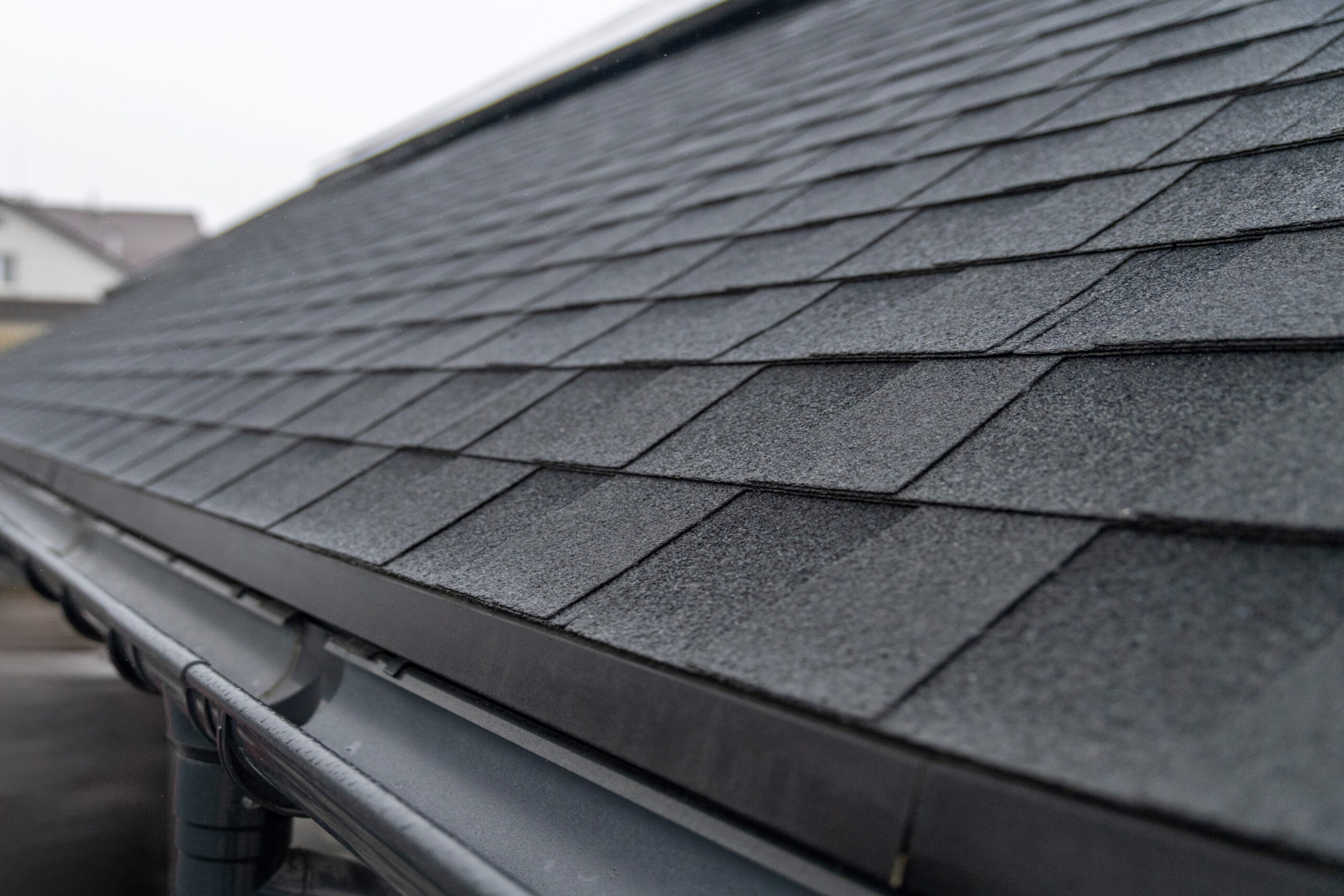
Asphalt shingles dominate the US residential market, used on approximately 80% of homes, due to their low cost, ease of installation, and adequate lifespan. Metal roofing accounts for roughly 8-10% of new residential installations and is growing rapidly. Clay and concrete tiles are common in the Southwest, Florida, and California but represent less than 5% nationally. The growth in metal roofing reflects increasing awareness of longevity and energy efficiency benefits.
How do I choose the right roofing material for my home?
Start by evaluating your climate—Minnesota homes benefit from cold-climate asphalt shingles or metal roofing. Consider your budget for both installation and long-term maintenance. Think about how long you plan to stay in your home; shorter timeframes justify less expensive materials, while longer stays make higher-quality materials more economical. Check local building codes and HOA restrictions. Factor in climate-specific concerns like ice dams in Minnesota or severe hail zones. Get quotes from multiple contractors and ask about warranties. The best material is one that matches your climate, budget, lifestyle, and how long you’ll own the home.
Selecting the right roofing material is a major decision that affects your home’s protection, appearance, and long-term costs. By understanding the strengths and limitations of each material and how they perform in your specific climate, you can choose a roof that will protect your home reliably for decades to come.
📍 Owl Roofing Serves the Entire Twin Cities Metro
Andover · Anoka · Apple Valley · Arden Hills · Big Lake · Blaine · Bloomington · Brooklyn Center · Brooklyn Park · Burnsville · Champlin · Chanhassen · Chaska · Columbia Heights · Coon Rapids · Cottage Grove · Crystal · deephaven · Delano · Eagan · East Bethel · Eden Prairie · Excelsior · Farmington · Forest Lake · Fridley · Golden Valley · Ham Lake · Hastings · Hopkins · Hugo · Inver Grove Heights · Lake Elmo · Lakeville · Lino Lakes · Mahtomedi · Maplewood · Mendota Heights · Minneapolis · Minnetrista · Mound · Mounds View · New Brighton · New Hope · North Oaks · North St. Paul · Oak Grove · Oakdale · Plymouth · Prior Lake · Ramsey · Richfield · Robbinsdale · Rosemount · Roseville · Saint Paul · Savage · Shakopee · Shoreview · South St. Paul · St. Louis Park · St. Michael · St. Paul · Stillwater · Vadnais Heights · Victoria · Waconia · wayzata · West St. Paul · White Bear Lake · woodbury
Licensed Minnesota roofing contractor · Free inspections · 10-year workmanship warranty · Get a free estimate →
