


Synthetic Roofing Explained What It Is and When to Use It
 11min Read
 Posted 10.15.2025
Your Neighbor Just Paid $30,000 for a Slate Roof. You Can Get the Same Look for $10,000.

That’s not a typo. And no, the cheaper option isn’t some flimsy knockoff that’ll blow off in the first Minnesota windstorm. It’s synthetic roofing—and it’s quietly becoming the smartest choice for Twin Cities homeowners who want the look of premium materials without the premium headaches. If you’ve been dreaming of a gorgeous slate or cedar shake roof but cringing at the price tag (and the maintenance), this one’s for you.
Why Synthetic Roofing Deserves Your Attention Right Now
Let’s talk numbers, because they tell a story your gut already knows.
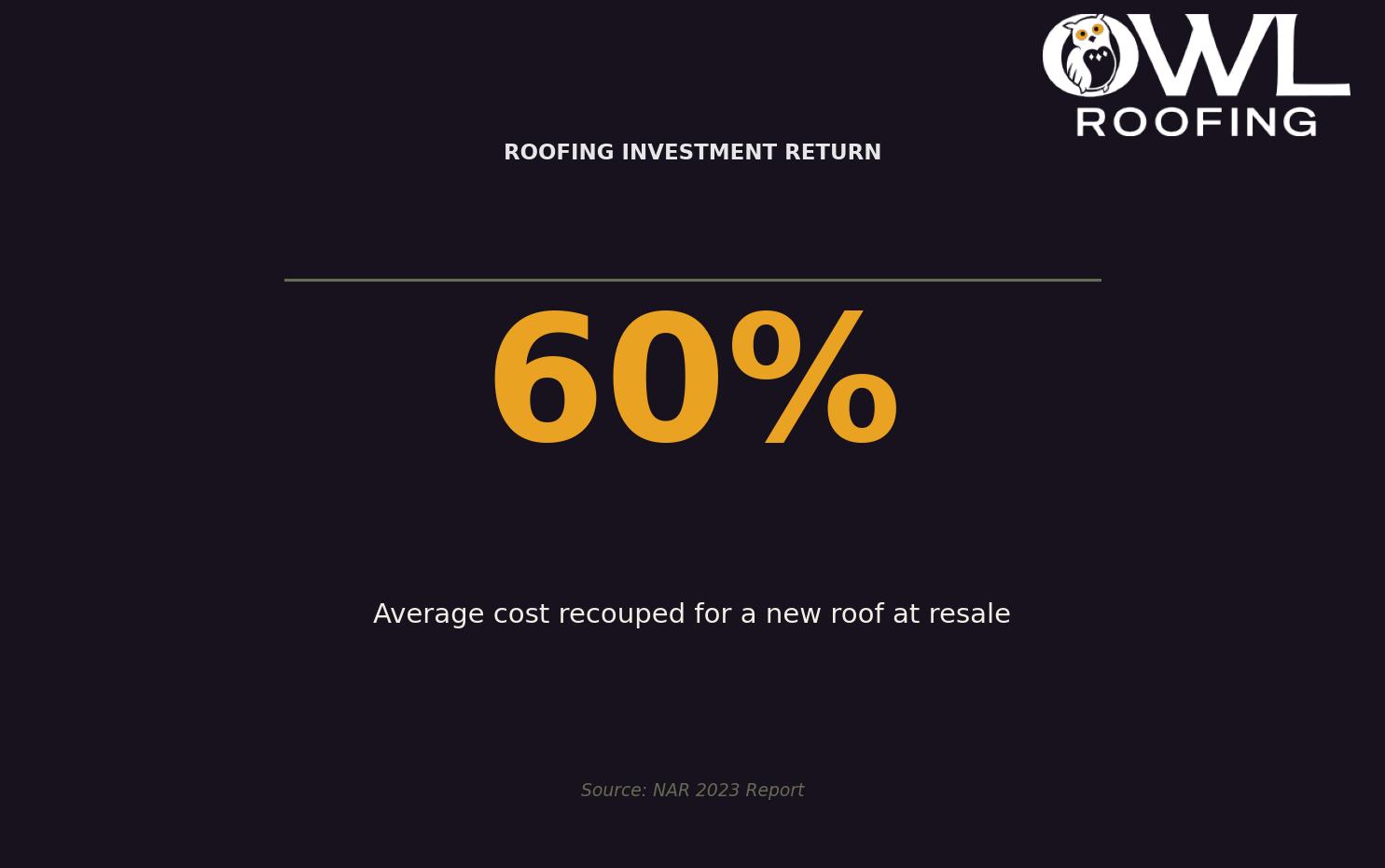
According to the National Association of Realtors (NAR), a new roof recoups more than 60% of its cost when you sell your home. That’s solid. But here’s where it gets interesting for Minnesota homeowners specifically: the Insurance Institute for Business & Home Safety (IBHS) reports that roofs are the number one source of insurance claims due to wind and hail damage.
Read that again. Number one.
We’re not talking about occasional claims. We’re talking about the single biggest reason homeowners file with their insurance companies. And if you’ve lived through a Twin Cities summer—where a sunny afternoon can turn into a hailstorm apocalypse in twenty minutes—you know exactly why.
This is where synthetic roofing enters the conversation. It’s not just about looking good (though it does). It’s about choosing a material engineered to handle the exact weather chaos we deal with here. The freeze-thaw cycles that crack traditional materials? Synthetic handles them. The baseball-sized hail that dents metal and shatters slate? Synthetic shrugs it off.
But we’re getting ahead of ourselves. Let’s start with the basics.
What Exactly Is Synthetic Roofing?
The Short Answer: Traditional Looks, Modern Engineering
Synthetic roofing (sometimes called composite roofing—same thing, different name) is designed to look like the classic materials everyone loves: slate, cedar shake, clay tile. The difference? It’s made from engineered materials like polymers, rubber, and recycled plastics.
Think of it like this: natural slate is the handwritten letter. Synthetic slate is the perfectly printed version that looks almost identical, costs way less to produce, and won’t crumble if you drop it.
The National Roofing Contractors Association (NRCA) reports that synthetic roofing materials can last up to 50 years. That’s not a hopeful estimate from a manufacturer trying to sell you something—that’s industry data from the people who study roofing for a living.
Fifty years. That means if you’re 35 and you put a synthetic roof on your house today, you might never need another one.
What’s Actually In This Stuff?
Synthetic shingles are typically made from a blend of:
- Polymers – flexible, durable plastics that can bend without breaking
- Rubber compounds – for impact resistance (hello, hail season)
- Recycled materials – many manufacturers use recycled plastics, making synthetic roofing an eco-friendlier choice
- UV stabilizers – so the color doesn’t fade after a few summers of sun
The result is a shingle that’s lighter than natural materials, tougher than asphalt, and designed to mimic the texture and depth of the real thing so well that most people can’t tell the difference from the street.
Synthetic vs. Traditional: The Real Comparison
Let’s Talk About Natural Slate (And Why It’s Not Always Worth It)
Natural slate is gorgeous. Nobody’s arguing that. It’s been used on roofs for centuries, and there’s a reason it screams “expensive home” from the curb.
But here’s the reality check:
According to industry reports, natural slate costs up to $30 per square foot installed. For a typical 2,000-square-foot roof, that’s $60,000. And that’s before we talk about the structural work your home might need because natural slate is heavy—really heavy. We’re talking 800 to 1,500 pounds per 100 square feet.
Synthetic slate? Around $10 per square foot. For that same roof, you’re looking at roughly $20,000. And because it weighs a fraction of the real thing (typically 150-200 pounds per 100 square feet), your home’s existing structure can usually handle it without reinforcement.
Same curb appeal. One-third the cost. No structural engineer required.
Cedar Shake: Beautiful Until It Isn’t
Cedar shake roofs have that warm, rustic look that pairs perfectly with Minnesota lake homes and craftsman-style houses throughout the Twin Cities. The problem? Real cedar requires constant maintenance.
You’re looking at regular treatments to prevent moss, algae, and rot. In our humid summers and wet springs, untreated cedar becomes a buffet for moisture damage. And cedar’s natural oils that repel insects? They break down over time, leaving your roof vulnerable.
Synthetic cedar shake gives you that same textured, natural appearance without the ongoing babysitting. No treatments. No rot. No insects setting up shop in your roof.
How Synthetic Performs When Weather Gets Serious
The Insurance Information Institute (III) evaluates roofing materials based on three critical factors: wind resistance, impact resistance, and fire resistance. Synthetic roofing scores high in all three categories.
Wind: Many synthetic products are rated for winds up to 110 mph or higher. That matters when summer storms blow through the metro.
Impact: The rubber and polymer composition absorbs hail impact instead of cracking or denting. Some synthetic shingles carry Class 4 impact ratings—the highest available.
Fire: Unlike natural cedar (which can be a fire hazard), synthetic materials typically carry Class A fire ratings.
For Twin Cities homeowners, this trifecta of protection isn’t just nice to have—it’s essential.
Why This Matters Even More in Minnesota
We need to talk about what our weather actually does to roofs, because it’s not pretty.
The Twin Cities experience some of the most dramatic temperature swings in the country. We’ve all seen those days: 50 degrees on Monday, 15 degrees on Wednesday, back to 40 by Friday. That constant expansion and contraction is brutal on traditional roofing materials.
Natural slate and clay tiles can crack during freeze-thaw cycles. Asphalt shingles get brittle in extreme cold and soft in summer heat. Wood warps, cups, and splits as it absorbs and releases moisture.
Synthetic materials are engineered specifically to handle thermal cycling. The polymer composition allows them to flex slightly with temperature changes without cracking, breaking, or losing their shape.
Data from the U.S. Census Bureau shows that areas with significant weather variations see higher adoption rates of synthetic roofing. That’s not coincidence—it’s homeowners in places like Minnesota learning from experience that traditional materials can’t always handle our climate.
And let’s not forget ice dams. Those beautiful icicles hanging from roofs in January? They’re often a sign of heat escaping through the roof, melting snow that then refreezes at the edge. Synthetic roofing’s thermal properties can help reduce ice dam formation when paired with proper ventilation and insulation.
When Synthetic Roofing Makes the Most Sense
Synthetic isn’t always the right call. But for certain situations, it’s hard to beat:
- You love the look of slate or shake but not the price. This is the obvious one. Synthetic lets you get the aesthetic you want at a price point that makes sense.
- Your home can’t support heavy materials. Older homes in neighborhoods like Highland Park, Crocus Hill, or Tangletown often have beautiful architecture but weren’t built to handle 1,500-pound-per-square roofs. Synthetic gives you options without structural upgrades.
- You’re tired of maintenance. Real cedar and wood shake demand attention. Synthetic is essentially install-and-forget for decades.
- You care about sustainability. Many synthetic products contain 50% or more recycled materials. When your roof eventually does need replacement (in 40-50 years), the materials can often be recycled again.
- Hail damage has been a recurring nightmare. If you’ve filed multiple roof claims over the years, a Class 4 impact-rated synthetic roof might even lower your insurance premiums.
When to Consider Other Options
Full transparency: synthetic isn’t perfect for every situation.
If you’re restoring a historic home where authenticity matters for historical designation or property value, real slate or period-appropriate materials might be worth the investment. Some HOAs in upscale neighborhoods also have specific material requirements—always check your covenants.
And if budget is extremely tight, standard asphalt shingles are still more affordable upfront, even if they don’t last as long or perform as well in extreme weather.
What to Do Next: Your Action Plan
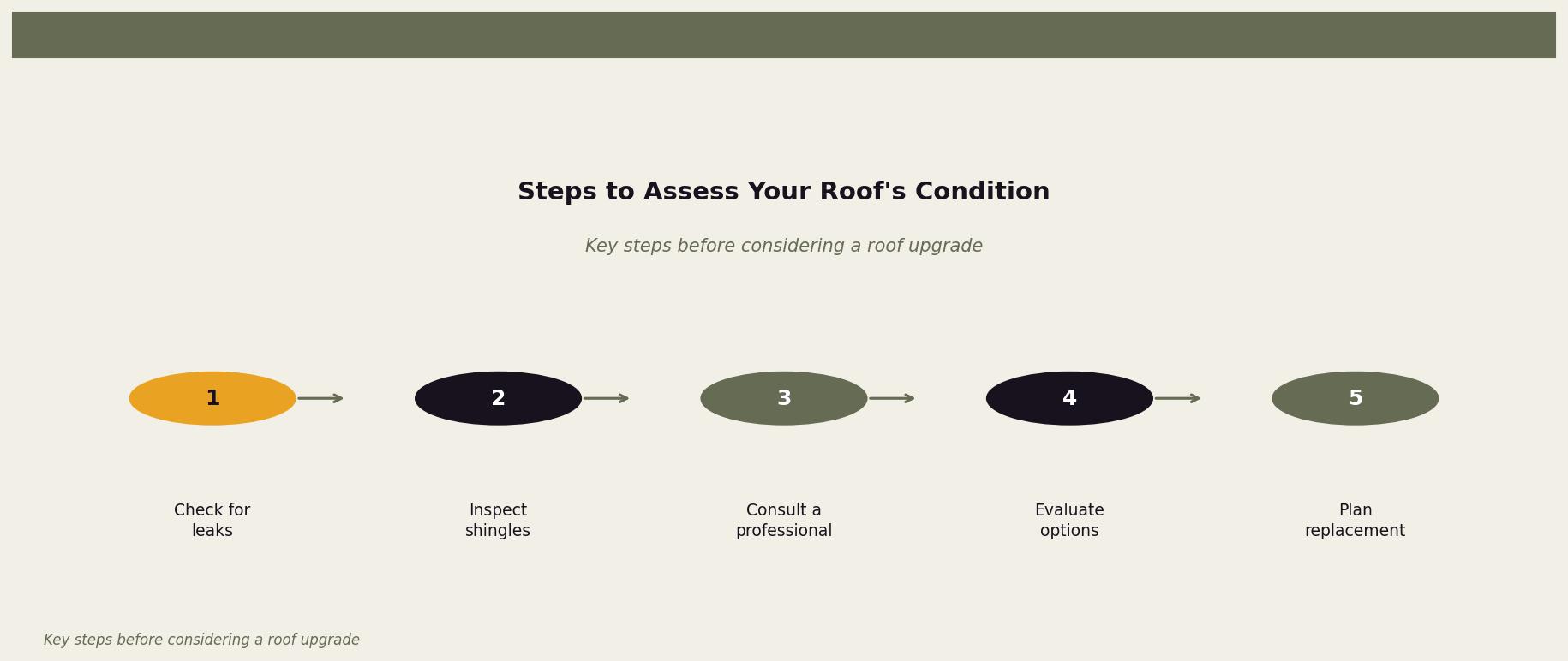
Ready to explore whether synthetic roofing makes sense for your home? Here’s how to approach it:
1. Assess your current roof’s condition. Walk around your property and look for warning signs: curling or missing shingles, granules collecting in gutters, visible daylight in your attic, or water stains on interior ceilings. These all suggest your roof’s timeline is shorter than you’d like.
2. Consider your priorities. What matters most—upfront cost, long-term value, aesthetics, maintenance, or environmental impact? Knowing your priorities helps you have a productive conversation with any roofer.
3. Get a professional assessment. Not a high-pressure sales pitch from a storm chaser who showed up after hail damage—an actual evaluation from someone who lives here and understands Minnesota’s specific challenges.
4. Ask to see synthetic options in person. Photos don’t do justice to how realistic modern synthetic shingles look. A good roofer will have samples you can touch and examine.
5. Get everything in writing. Materials, warranties, timeline, total cost. No surprises.
The Bottom Line on Synthetic Roofing
Synthetic roofing isn’t just a budget alternative to premium materials—it’s increasingly the smarter choice for Twin Cities homeowners who want performance, longevity, and great looks without the downsides of traditional options.
Fifty-year lifespan. Fraction of the weight. One-third the cost of natural slate. Built to handle Minnesota’s freeze-thaw cycles, hailstorms, and temperature swings.
That’s not compromise. That’s progress.
Considering Synthetic Roofing? Let’s Talk.
At Owl Roofing, we’ve seen every type of roofing material perform (and fail) in Minnesota weather. We’re based right here in Shoreview and serve the entire Twin Cities metro—your neighbors, not some franchise crew passing through.
If you’re curious whether synthetic roofing makes sense for your home, we’re happy to take a look and give you an honest answer. No pressure, no complicated sales tactics. Just a straightforward conversation about your roof and your options.
Give us a call at 651-977-6027 or visit owlroofing.com/ to schedule a free evaluation. Tim, Bea, Noah, and Anya—we’re the families behind Owl, and we’d love to help you figure out the best path forward.
Protect Your Nest.
📍 Owl Roofing Serves the Entire Twin Cities Metro
Andover · Anoka · Apple Valley · Arden Hills · Big Lake · Blaine · Bloomington · Brooklyn Center · Brooklyn Park · Burnsville · Champlin · Chanhassen · Chaska · Columbia Heights · Coon Rapids · Cottage Grove · Crystal · deephaven · Delano · Eagan · East Bethel · Eden Prairie · Excelsior · Farmington · Forest Lake · Fridley · Golden Valley · Ham Lake · Hastings · Hopkins · Hugo · Inver Grove Heights · Lake Elmo · Lakeville · Lino Lakes · Mahtomedi · Maplewood · Mendota Heights · Minneapolis · Minnetrista · Mound · Mounds View · New Brighton · New Hope · North Oaks · North St. Paul · Oak Grove · Oakdale · Plymouth · Prior Lake · Ramsey · Richfield · Robbinsdale · Rosemount · Roseville · Saint Paul · Savage · Shakopee · Shoreview · South St. Paul · St. Louis Park · St. Michael · St. Paul · Stillwater · Vadnais Heights · Victoria · Waconia · wayzata · West St. Paul · White Bear Lake · woodbury
Licensed Minnesota roofing contractor · Free inspections · 10-year workmanship warranty · Get a free estimate →
